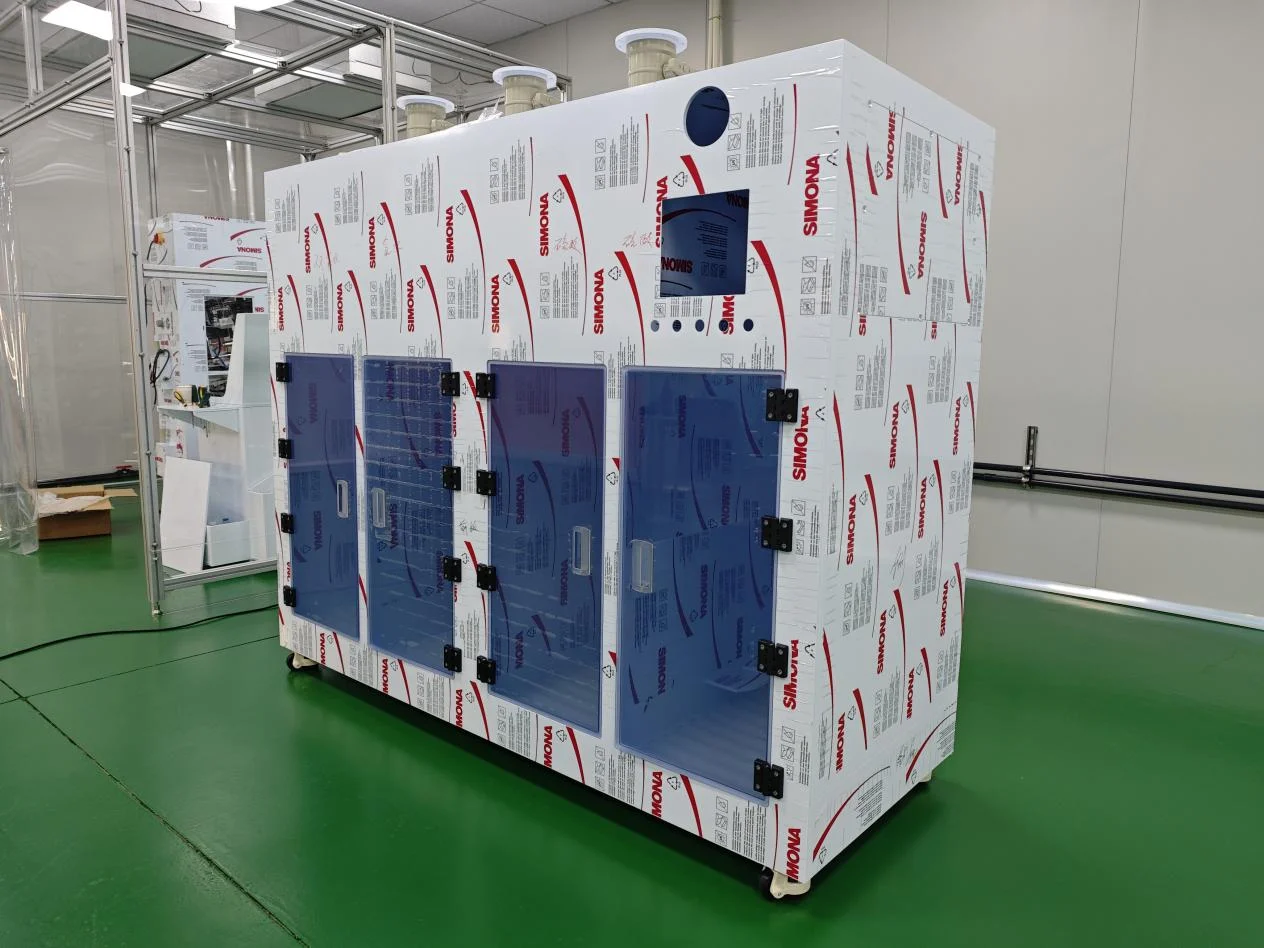
As we all know, LDS and CDS are two liquid supply systems. However, many people are still not quite clear about the difference between the two. Today, let’s talk about the differences between LDS and CDS liquid supply systems.
LDS (Liquid Delivery System) and CDS (Central Chemical Dispense System) are two distinct liquid supply systems, exhibiting significant differences in multiple aspects.
Below is a detailed analysis of the differences between the two:
Application area
LDS: It is widely used in multiple industries, including pharmaceuticals, biochemistry, cosmetics, etc. In semiconductor manufacturing, LDS is primarily used for delivering precursor materials to process equipment.
CDS: It is primarily used for automatic chemical liquid supply in wet equipment in industries such as integrated circuits, semiconductor material processing, LEDs, solar photovoltaics, MEMS, and discrete devices.
Functional Features
LDS: It achieves accurate liquid transfer by precisely controlling liquid flow rate, transmission speed, and pressure. It offers both positive and negative pressure transmission modes, catering to diverse transmission needs. Typically, LDS systems are PLC-based, enabling fully automated operation, and are equipped with touch displays for ease of operation. Furthermore, LDS incorporates various safety devices, including monitoring for precursor material pressure, flame, smoke, temperature, and interlocking to prevent tampering.
CDS: As a central chemical solution supply system, CDS is capable of providing uninterrupted chemical solution supply to the production line 24 hours a day. It can achieve automatic solution addition, replenishment, and dispensing, making it a core support system for many processes. The CDS system has good corrosion resistance and can meet the needs of wet etching and cleaning processes in semiconductor companies. At the same time, the CDS system can also choose between a pure chemical solution supply method or a functional system with mixing, heating, stirring, and other functions, depending on the function of the machine and the requirements of the process.
System composition
LDS: It primarily consists of a liquid storage tank, pumps (such as plunger pumps, gear pumps, centrifugal pumps, etc.), pipelines, valves, etc., and is used for the storage, transportation, and distribution of liquids. Some LDS systems may also be equipped with components such as filters and defoamers to ensure the purity and stability of the transported liquids.
CDS: It primarily consists of a frame, an induced draft unit, an electronic control unit, a liquid supply unit, a piping unit, and a chemical liquid distribution valve box (VMB). The liquid supply pump in the CDS system often employs a pneumatic diaphragm pump or an air-cushion pump, while a flowmeter is used to measure the flow rate of liquid to meet the needs of process control and metering.